How Skylights Improve Home Value
Elevate Your Living Area: Your Essential Guide to Finding the Ideal Rooflight for Your Home
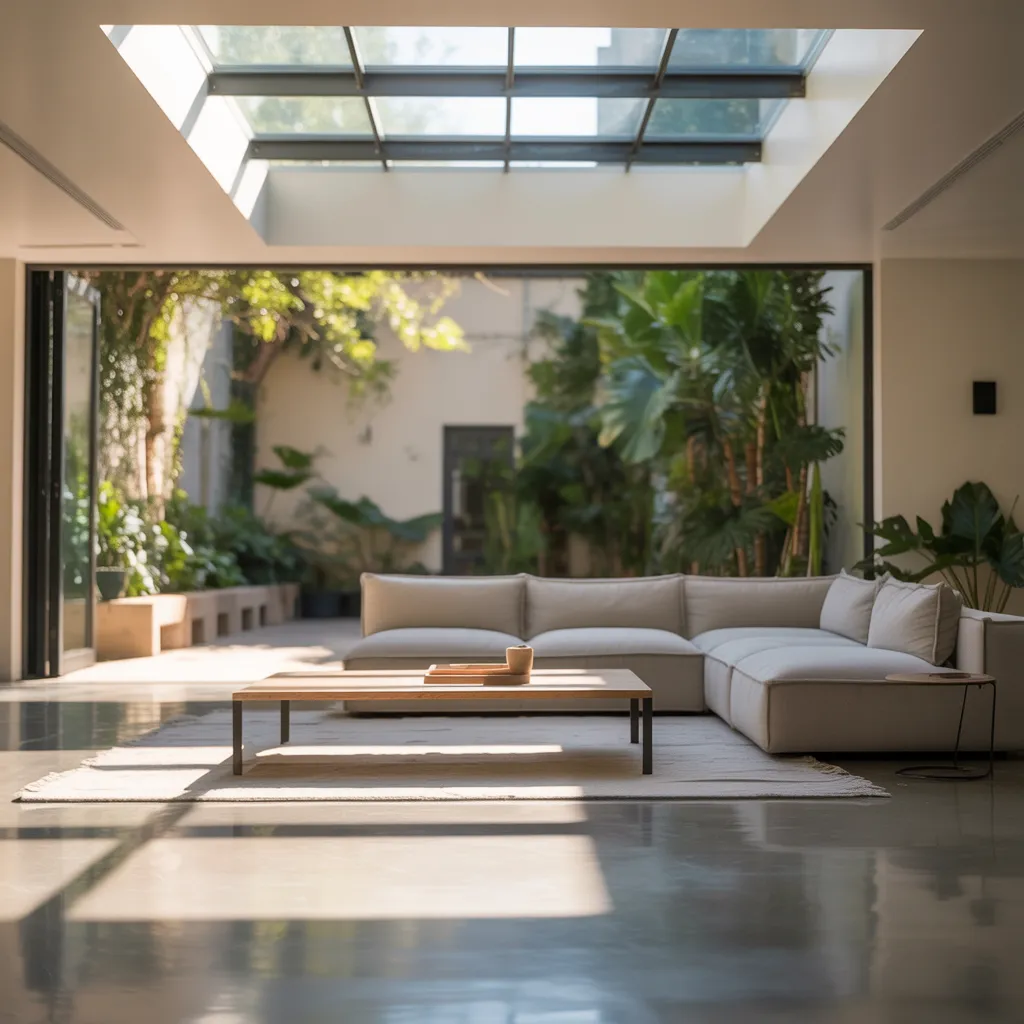
Choosing the right rooflight can significantly affect a property's ambiance. It enables a balance of natural light and style that improves the overall living environment. Various types exist, each with distinct benefits and considerations. Factors such as size, material, and energy efficiency play essential roles in making the right choice. Understanding these elements is critical for achieving the desired transformation in any space. What should one consider when selecting the perfect rooflight?
Exploring Diverse Kinds of Rooflights
When picking a rooflight, homeowners need to first understand the various types available to make an informed decision. Rooflights essentially fall into three categories: fixed, vented, and tubular. Fixed rooflights are built to offer natural light without ventilation, making them perfect for spaces where airflow is not required. Vented rooflights, conversely, supply both light and the option to open, facilitating increased air circulation and temperature control. Tubular rooflights are space-saving and engineered to channel daylight through reflective tubing, making them ideal for areas where traditional rooflights may not fit. Each type serves specific purposes and aesthetic preferences, with aspects such as energy efficiency, installation complexity, and maintenance needs influencing the choice. Understanding these categories empowers homeowners to choose the right rooflight that matches their home's architecture while addressing their specific lighting and ventilation requirements.

Perks of Adding Rooflights
While countless homeowners could overlook the impact of natural light, fitting rooflights can considerably improve both the aesthetic and functional aspects of a home. By permitting sunlight to stream in, rooflights establish a far more welcoming atmosphere, making spaces feel more expansive and more open. This flow of natural light can considerably elevate mood and well-being, lessening relying on artificial lighting during the day.
Along with their aesthetic benefits, rooflights can also boost energy efficiency. By capturing solar energy, they aid in regulating indoor temperatures, possibly reducing heating and cooling costs. Moreover, rooflights provide excellent ventilation options, encouraging better air circulation and enhancing indoor air quality.
Additionally, rooflights can serve as a striking architectural feature, bringing distinction and value to a home. Whether in a kitchen, living room, or hallway, their flexibility makes them an attractive choice for homeowners aiming to transform their living spaces.
Key Factors to Keep in Mind When Deciding on a Rooflight
How should one determine the right rooflight to complement their home? A number of key factors should be evaluated to make certain the selection aligns with both aesthetic preferences and functional requirements. First, the size of the rooflight should be proportional to the room and the existing roof structure, making certain it enhances rather than overwhelms the space. Second, the style of the rooflight should complement the architectural design of the home, whether modern, traditional, or minimalist.
Furthermore, the material is crucial for durability and insulation; options include glass, polycarbonate, and even timber frames. Energy efficiency should also be a priority, as selecting rooflights with proper glazing can help control temperature and lower energy costs. Lastly, local building regulations and planning permissions may affect the choice, ensuring compliance with legal standards. By meticulously considering these factors, homeowners can make well-informed decisions that elevate their living spaces.
How Rooflights Boost Natural Light
Rooflights effectively amplify daylight throughout a home, generating more vibrant and pleasant living spaces. By allowing sunlight to flow in from above, rooflights decrease dependence on artificial lighting during daylight, which can generate energy savings. This abundance of natural light can also enhance mood and general wellness, making spaces feel airier and more open.
Additionally, rooflights can assist in showcasing architectural features and design elements within a space, adding depth and character. In less illuminated areas of the home, such as hallways or staircases, rooflights can act as an essential source of illumination, transforming these typically forgotten spaces into vibrant areas.
The thoughtful positioning of rooflights can furthermore create a feeling of connection to the outdoors, bringing the beauty of the sky and shifting weather patterns into the home. Overall, the addition of rooflights can greatly enhance the quality of light and atmosphere in any living space.
Installation Considerations for Rooflights
When contemplating the installation of rooflights, homeowners must take into account multiple factors that can impact both functionality and aesthetics. The selection of location is important; rooflights should be situated to optimise natural light while steering clear of potential obstructions including trees or neighboring buildings. Moreover, the type of roof structure holds considerable importance in guide the installation process, as flat roofs may demand specific design alterations compared to pitched roofs.
Furthermore, local building requirements and planning permissions should be evaluated to guarantee compliance, as restrictions may differ by region. The pick of materials is also essential, as different options deliver varying levels of insulation, durability, and light transmission. Homeowners should also consider professional installation to guarantee proper sealing and prevent leaks, which can compromise the rooflight's effectiveness. In the end, careful planning during installation can increase the overall benefits of rooflights while promoting a seamless integration into the home's design.
Care Tips for Your Rooflight
Though keeping up with a rooflight might appear straightforward, regular upkeep is crucial to secure its lifespan and efficiency. Property owners should routinely assess the rooflight for damage signs, such as splits or moisture issues, specifically after heavy weather. Cleaning the glass and frame no less than twice annually works to avoid debris collection, which can impede light and lead to deterioration.
Moreover, reviewing the seals and gaskets for wear can stop leaks and drafts. If any issues are identified, immediate repairs are crucial to avert more extensive damage. It is also advisable to verify that adjacent vegetation is cut back to prevent scratching and to facilitate ideal natural light entry.
Lastly, referring to the manufacturer's guidelines for specific maintenance recommendations can deliver tailored care strategies. By following these maintenance tips, homeowners can guarantee their rooflight remains a practical and aesthetically pleasing feature for years to come.
Questions & Answers
Is It Possible to Install Rooflights in Existing Roofs?
Rooflights can indeed be installed in existing roofs. Property owners frequently require expert help to determine structural stability and confirm professional installation, permitting natural light to enhance interior spaces without undermining the roof's structural purpose.
How Much Should You Expect to Pay for Rooflight Installation?
The typical cost of rooflight installation commonly ranges from $1,000 to $3,000, depending on factors such as type, size, and complexity of the installation. Extra costs may come from needed structural modifications or permits.
How Energy Efficient Are Rooflights?
Rooflights can be energy efficient, especially when double or triple-glazed. They boost natural illumination, decreasing dependence on electric lighting, and enhance insulation, helping to maintain comfortable indoor temperatures and potentially lowering energy bills.
Are Rooflights Subject to Planning Permission Requirements?
Rooflights might need planning permission depending on local regulations and the unique characteristics of the installation. Property owners should contact their local planning authority to guarantee compliance with any applicable building codes and zoning laws.
How Can I Upgrade Rooflight Insulation?
To enhance rooflight insulation, you can add multi-glazed units, employ insulated frames, install thermal linings, and ensure proper sealing around the edges to minimize heat loss and boost energy efficiency.