Top Rated Roofing Companies Near Me: Affordable & Reliable
Expert Roofing Solutions: Your Comprehensive Guide to Long-Lasting and Cost-Effective Roofs
Expert Roofing Solutions presents a comprehensive guide to choosing affordable and durable roofing options appropriate for diverse homes. By assessing multiple materials and understanding their benefits, homeowners can make informed decisions. The guide also addresses common errors and maintenance practices that can increase the lifespan of a roof. With information into budgeting and current trends, readers could find themselves pondering the best approach for their own roofing needs.
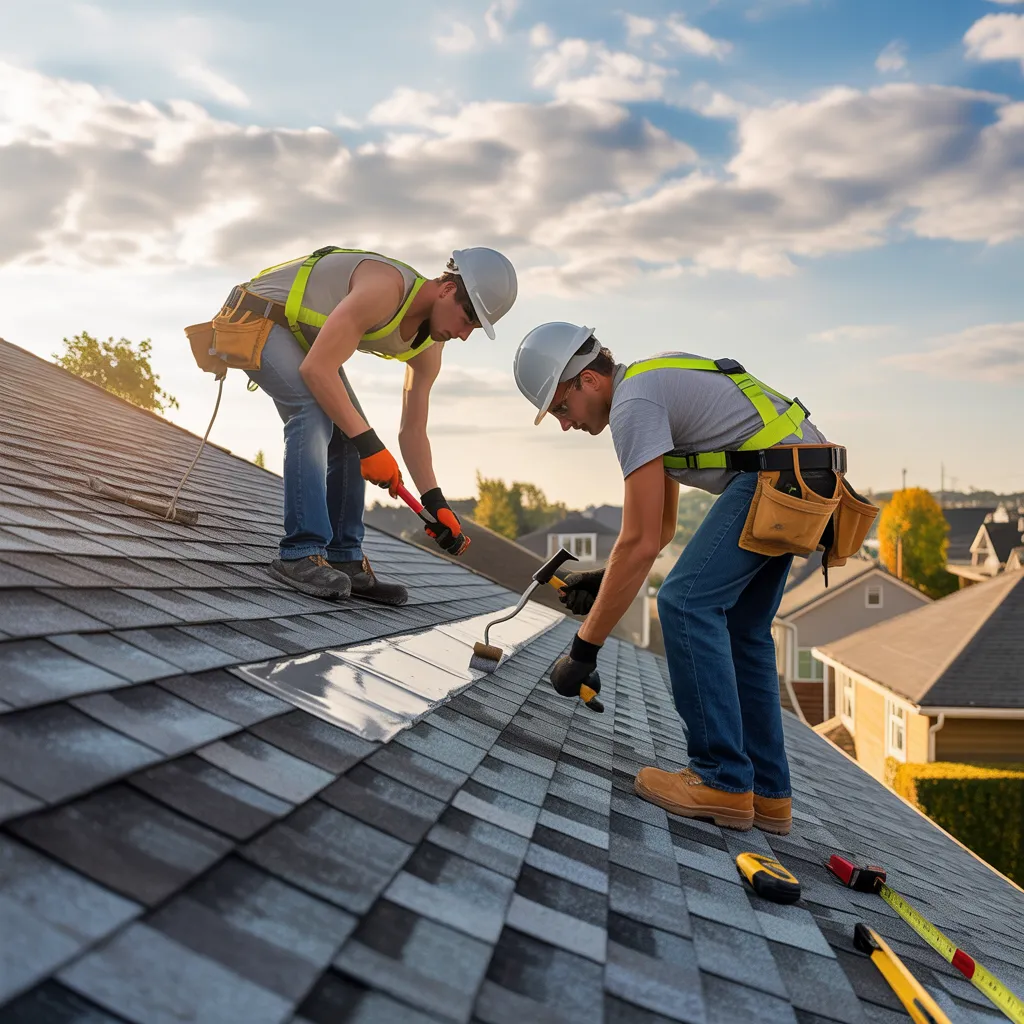
Understanding Different Roofing Materials: Pros and Cons
Choosing the right roofing material is vital for any building project. Numerous options are available, each with distinct advantages and disadvantages. Asphalt shingles are popular due to their affordability and ease of installation but may suffer from reduced longevity compared to other materials. Metal roofing delivers durability and energy efficiency but can be expensive upfront. Clay tiles deliver a classic aesthetic and excellent insulation but are heavy and require appropriate structural support. Wood shingles provide a natural look and good insulation but are vulnerable to rot and fire. Finally, slate delivers unmatched longevity and a sophisticated appearance, yet it comes with a high price and requires skilled installation. Understanding these benefits and drawbacks aids in making an informed decision for specific needs and circumstances.
Picking the Right Roofing Material for Your Home
Picking the right roofing material requires meticulous assessment of several key factors. Homeowners should examine climate conditions and durability, evaluate their budget for cost-effectiveness, and consider the aesthetic appeal and style that best suits their property. These elements combine to provide a practical and visually attractive roofing solution.
Environmental Conditions And Durability
When considering roofing options, homeowners must evaluate the interplay between climate conditions and the durability of materials. Different climates impose unique stresses on roofs; for example, areas with heavy snowfall call for roofing that can withstand added weight, while regions subject to high winds need materials that resist uplift.
In humid environments, homeowners should pick materials resistant to mold and rot, such as metal or certain treated wood products. On the other hand, those in desert-like conditions might gain from materials like clay tiles that bounce back sunlight and limit heat absorption.
Finally, knowing local meteorological trends and selecting proper roofing materials is essential for ensuring durability and functionality, safeguarding the home against potential climate-related damage.
Budget And Cost-Effectiveness
Though numerous property owners focus on visual appeal and longevity in their roofing choices, financial factors frequently play a crucial part in the selection process. The selection of roofing material can greatly influence overall fiscal stability, as some options, while lower in initial cost, may demand more frequent maintenance and replacement work. Asphalt shingles, as an illustration, provide an economical upfront cost but may have a shorter lifespan versus metal roofing, which, though more expensive, delivers enhanced resilience and power savings. Homeowners should also weigh further aspects such as fitting fees, warranty coverage, and potential insurance savings. By assessing these factors, one can select a roofing solution that harmonizes cost-effectiveness with lasting worth, guaranteeing a prudent investment for years to come.
Aesthetic Charm And Design
A property owner's roof choice substantially impacts the overall aesthetic of a property. Selecting the appropriate roofing material is vital for achieving a harmonious appearance that complements the architectural style of the home. Materials such as asphalt shingles offer flexibility with various colors and designs, while metal roofing can provide a sleek, modern look. Traditional options like clay tiles or wood shakes evoke a traditional charm, enhancing curb appeal. Homeowners should also consider regional trends and climate suitability when making their selection. Moreover, the roofing color can impact energy efficiency and the home's visual balance. Finally, a well-chosen roof not only elevates the home's exterior but also reflects the homeowner's personal style and values, contributing to its lasting appeal.
Cost-Effective Roofing Services for All Financial Plans
Cost-effective roofing solutions are crucial for homeowners in need of budget-friendly solutions without sacrificing quality. Different materials and cost-effective installation methods can considerably reduce expenses while maintaining durability. Investigating these choices offers a practical method to roofing that works with all financial situations.
Economical Material Solutions
Many inexpensive material choices are offered for homeowners searching for budget-friendly roofing alternatives. Asphalt shingles stay one of the most favored selections owing to their affordability and adaptability. Metal roofing, while marginally more expensive upfront, offers longevity and energy efficiency, making it a wise long-term investment. Also, synthetic roofing materials, such as rubber and plastic composites, offer a economical alternative with the look of traditional materials. Clay and concrete tiles provide durability complete info and low maintenance, well-suited for certain climates. Last, wood shingles and shakes can be a attractive option, though they may need more upkeep. By carefully weighing these materials, homeowners can strike a balance between cost and quality, making certain their roofs provide lasting protection without exceeding their budget.
Affordable Installation Approaches
Examining economical material options not only allows homeowners save on roofing materials but also provides access to economical installation methods. One viable method is the use of modular or prefabricated roofing systems, which can dramatically cut labor costs due to their ease of installation. Homeowners may also contemplate hiring local contractors who deliver competitive pricing and are familiar with efficient installation practices. Additionally, utilizing off-peak seasons for installation can lead to discounts. DIY methods, when feasible, can also minimize expenses, especially for minor repairs or replacements. Finally, leveraging community resources or workshops can provide valuable skills and insights for homeowners seeking to tackle their roofing projects while sticking to a budget.
Understanding Roof Durability: Essential Considerations
Even though homeowners typically give priority to aesthetics and cost when picking roofing materials, the durability of a roof is a vital factor that can greatly impact enduring value and safety. Durable roofs handle harsh weather conditions, such as heavy rain, snow, and wind, reducing the risk of leaks and structural damage. They also require less frequent repairs and replacements, consequently saving homeowners money over time. In addition, a durable roof can boost energy efficiency, working to regulate indoor temperatures and lower utility bills. Factors such as material quality, installation techniques, and local climate conditions play important roles in determining a roof's longevity. Homeowners should carefully examine these aspects to make certain their investment provides lasting protection and peace of mind.

Your Roof Replacement Budget: Expense Breakdown
When preparing for a roof replacement, knowing the associated costs is crucial for homeowners. The total budget typically includes building materials, labor, permits, and potential unforeseen expenses. Roofing materials such as asphalt shingles, metal, or tiles can differ considerably in price, often ranging from $90 to $1,000 per square. Labor costs also fluctuate depending on the contractor's experience and local market rates, typically between $150 and $300 per square. Homeowners should also include the cost of permits, which can range from $100 to $500, depending on the region. Moreover, setting aside 10-20% of the total budget for unexpected issues, such as water damage or structural repairs, is prudent to secure a smooth replacement process and avoid financial strain.
Should You Tackle Your Roof Yourself or Hire an Expert?
When evaluating whether to handle roofing work yourself or engage a professional, cost is a key consideration. Property owners should also evaluate their own skill level to guarantee they can address the complexities of roofing work. Weighing these factors can lead to a more educated decision on the optimal method for roof maintenance or replacement.
Budget Factors
Determining whether to undertake a roofing project as a DIY undertaking or to hire the expertise of a professional relies on several cost considerations. Homeowners must assess the potential savings from a DIY approach against the risks of costly mistakes. Material costs for DIY projects can vary, often causing unexpected expenses if unsuitable materials are chosen. Furthermore, professional roofers typically have access to wholesale prices and can procure materials economically, potentially reducing overall costs. Labor costs also play a significant role; while hiring a professional incurs upfront expenses, their expertise may avoid future repairs, saving money long-term. Ultimately, the choice between DIY and hiring a pro should consider both short-term financial implications and the potential for unforeseen costs down the line.
Competency Level Evaluation
How might a property owner properly evaluate their abilities for a roofing undertaking? To figure out if they should attempt a DIY roofing project or contract a professional, homeowners should examine their background in comparable projects, physical condition, and available tools. They must consider the difficulty of the roofing setup, local building codes, and safety procedures. Homeowners need to also think about their ability to troubleshoot unexpected issues and the time commitment required to accomplish the undertaking. For individuals with minimal background or confronting elaborate structures, contracting a professional could be the better option. On the other hand, for less complex work and homeowners with proper competencies, a DIY approach can be both cost-effective and rewarding. Ultimately, a complete self-examination is critical to reaching a knowledgeable determination.
Typical Roofing Problems to Prevent
Many homeowners neglect vital aspects of roofing, leading to costly mistakes. One widespread error is ignoring proper ventilation, which can lead to moisture buildup and damage to the roof structure. Moreover, failing to inspect and repair flashing can enable water penetration, causing leaks. Choosing the inappropriate materials for roofing can also be harmful; homeowners should confirm compatibility with their local climate. Another mistake is not hiring certified professionals, which may cause poor installation and future problems. Finally, ignoring regular maintenance can intensify minor issues, causing expensive repairs. By recognizing these common pitfalls, homeowners can take preventive steps to make certain their roofs remain sturdy and functional for years to come.
Ways to Avoid Roofing Blunders in Your Area's Climate
Understanding the distinct climate of an area is crucial for homeowners to avoid roofing mistakes that could compromise their investment. Different regions experience diverse weather conditions, such as intense rain, snow, or extreme heat, which can affect roofing materials and installation techniques. Homeowners should research the best roofing materials suited for their climate, such as choosing for impact-resistant shingles in hail-prone areas or reflective coatings in hot climates. Moreover, picking a qualified contractor acquainted with local weather patterns can decrease the risk of improper installation. Regular inspections are critical, as they help pinpoint potential issues that may occur due to climate-related wear and tear. By considering these factors, homeowners can secure a long-lasting and effective roofing solution.
Maintenance Strategies for Enduring Roofs
Preserving a roof is just as crucial as selecting the right materials and contractors, especially in regions with harsh climates. Regular inspections should be conducted at least twice a year, concentrating on loose shingles, cracks, and evidence of water damage. Removing debris from gutters and downspouts is vital to prevent water buildup, which can result in leaks and structural damage. Additionally, homeowners should trim overhanging branches to decrease the risk of punctures from falling limbs. In snowy regions, removing snow accumulation is essential to avoid the burden on the roof. Lastly, addressing minor repairs quickly can stop more major issues down the line, making certain the roof remains resilient and functional for years to come. Regular maintenance is critical to longevity.
Expert Insights: Developments in Roofing for 2023 and Beyond
With the roofing sector's ongoing evolution, sustainable practices and innovative materials are gaining greater prominence in 2023 and beyond. Residential clients are steadily shifting to eco-friendly options, such as solar shingles and recycled materials, which deliver both durability and energy efficiency. Furthermore, advancements in technology, including drone inspections and 3D modeling, are optimizing installation and maintenance processes. The practice of green roofs is also increasing in popularity, fostering biodiversity and reducing urban heat. Additionally, weather-resistant coatings are being engineered to withstand extreme conditions, enhancing longevity. Industry experts emphasize the importance of incorporating these trends, ensuring roofs not only meet aesthetic standards but also support environmental sustainability and resilience against climate change.
Your Questions Answered
How Long Should a Roof Typically Last Before Needing Replacement?
Roofs typically last between 20 and 50 years, determined by the materials used and maintenance practices. Regular inspections can extend its longevity, while harsh weather conditions may necessitate earlier replacement, influencing overall durability and performance.
What Signs Indicate I Need a Roof Replacement?
Indicators suggesting a roof replacement include missing shingles, ceiling water stains, gutter granules, noticeable sagging, the growth of mold, and higher energy costs. Such indicators suggest damage beneath the surface that requires professional inspection and potential roof replacement.
Are There Green Roofing Options Available?
Yes, eco-friendly roofing options are available. Sustainable materials like recycled shingles, metal roofing, and green roofs can lower environmental impact, improve energy efficiency, and improve visual appeal, making them progressively favored among sustainability-focused property owners.
What Steps Should I Take to Prepare My Home for a Roofing Project?
When preparing for a roofing project, homeowners should tidy up the space around their home, secure outdoor furniture, alert neighbors, and ensure easy access for contractors. Furthermore, it's recommended to address any related issues beforehand.
Which Warranties Should I Expect When Getting a New Roof?
A new roof generally includes material warranties that range from 20-50 years, as well as workmanship warranties that cover installation defects for 1 to 10 years. Property owners should review the details carefully prior to finalizing any agreement.